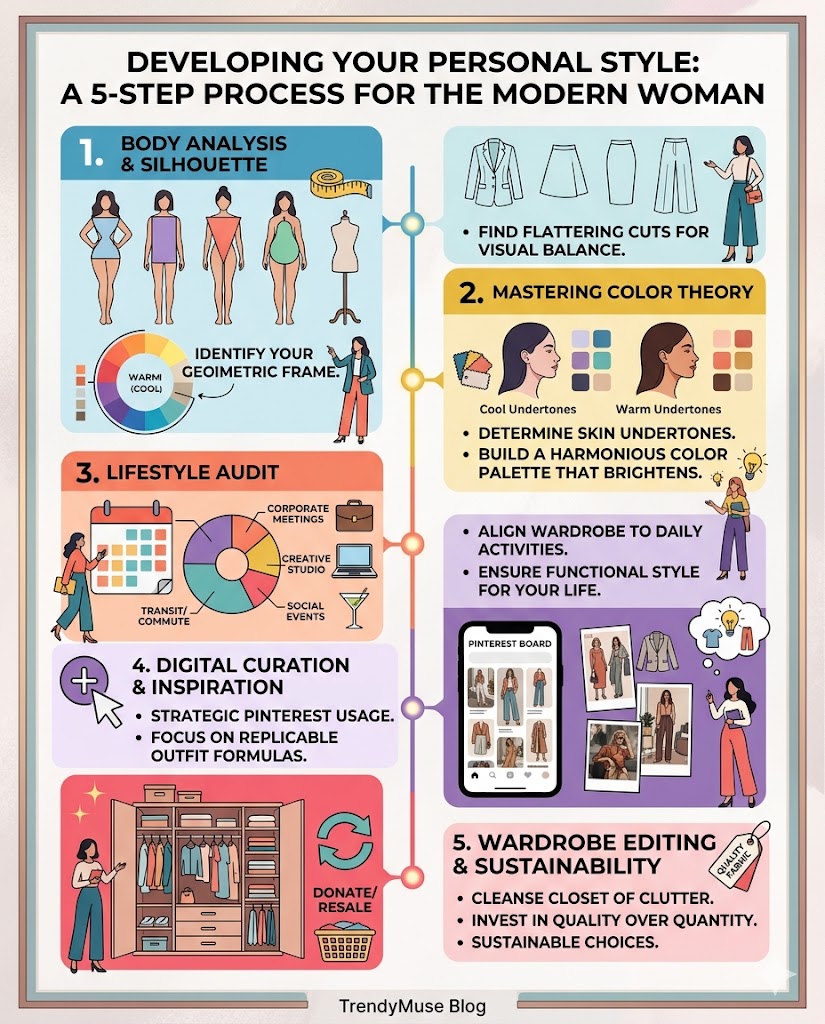
In the fast-evolving landscape of 2026 fashion, developing a personal style is no longer about chasing fleeting trends; it is an essential exercise in self-curation and strategic wardrobe building. This comprehensive guide outlines a professional, step-by-step framework for women to identify their unique aesthetic through body shape analysis, color theory, and lifestyle alignment. By moving away from “fast-fashion” impulse buys and toward a “slow-fashion” philosophy, individuals can create a cohesive capsule wardrobe that resonates with their identity. The article explores technical aspects such as the Kibbe body types and professional color analysis, while integrating 2026’s shift toward “Easy Elegance” a blend of soft tailoring, sustainable fabrics, and monochrome dressing. Readers will learn how to audit their current closets, leverage digital inspiration boards effectively, and master the art of the “2×2” outfit formula to ensure confidence and efficiency in their daily styling routines.
Developing Your Personal Style in 2026
The concept of personal style has undergone a significant transformation. In 2026, the focus has shifted from external validation and “trend-hopping” to internal alignment and aesthetic sustainability. For the modern woman, developing a signature look is a strategic process that simplifies daily decision-making and enhances professional presence. This guide provides an objective roadmap to mastering your wardrobe.
1. The Foundation: Understanding Body Proportions and Silhouettes
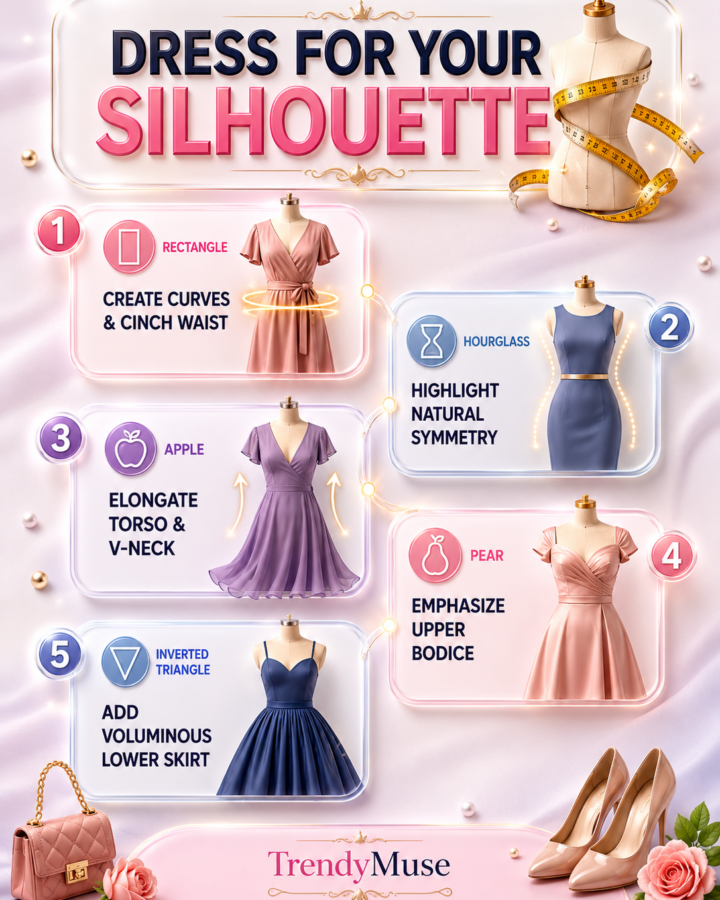
The first step in style development is an objective assessment of physical geometry. Rather than conforming to a specific size, the goal is to identify silhouettes that harmonize with your natural frame.
- The Power of Silhouettes: In 2026, “relaxed tailoring” is a dominant theme. Understanding whether your frame is best supported by structured blazers or flowy, A-line cuts is vital.
- Geometric Archetypes: Utilizing systems like Kibbe body typing allows for a more nuanced approach to dressing. Whether your lines are sharp and dramatic or soft and romantic, choosing fabrics that drape according to your bone structure is the key to an “effortless” appearance.
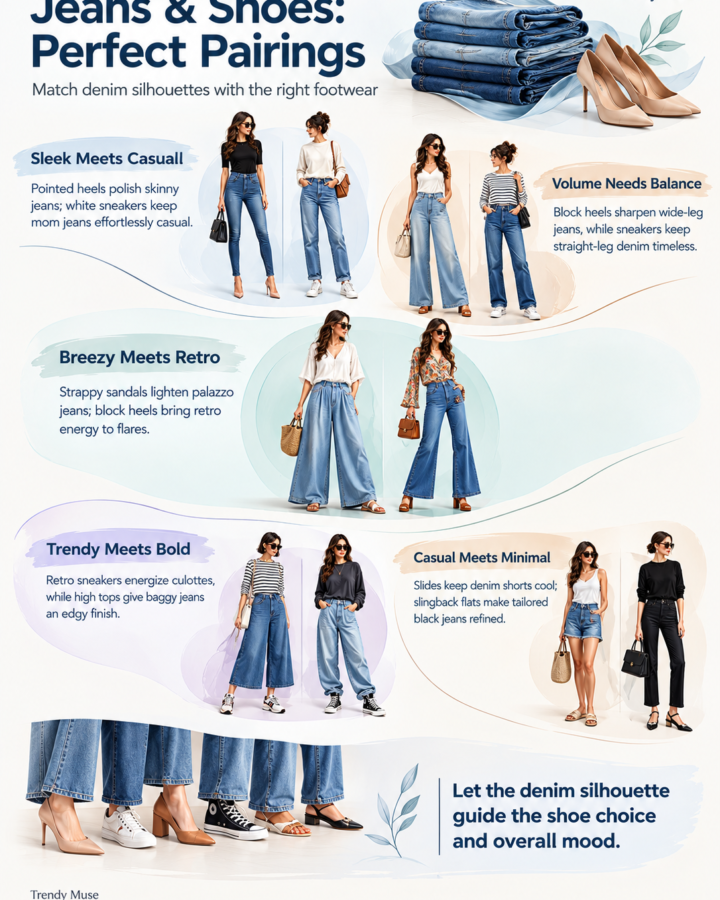
- The Mirror Test: A professional styling technique involves taking “outfit selfies” in different cuts—cropped vs. long jackets, or wide-leg vs. straight-cut trousers—to identify which proportions provide the most visual balance.
2. Mastering Color Theory: Beyond the Trends
Color is the most immediate way to influence how a person is perceived. While 2026 sees a rise in “power reds” and “muted earth tones,” personal style dictates that your palette should be based on your biological undertones.
- Seasonal Analysis: Determine if your skin has warm (golden), cool (blue/pink), or neutral undertones. Wearing the “correct” shades can brighten the complexion and reduce the appearance of fatigue.
- The 2026 Palette: Current shifts favor monochrome dressing—wearing varying shades of a single color. This technique elongates the frame and creates a sophisticated, high-end look with minimal effort.
3. The Lifestyle Audit: Style That Functions
A common pitfall in style development is building a “fantasy wardrobe” for a life you do not lead. A professional style must be functional.
- The 80/20 Rule: 80% of your wardrobe should cater to your daily activities—be it corporate meetings, creative studio work, or transit-heavy lifestyles—while 20% is reserved for special occasions.
- Capsule Integration: In 2026, the “Easy Elegance” movement encourages a capsule approach. This involves investing in high-quality basics (the “Scarf Jacket,” “Argyle Knit,” and “Pointed Boots”) that can be rotated across multiple settings.
4. The Art of Curated Inspiration
Digital tools have revolutionized how we visualize style. However, these tools must be used with intent.
- Strategic Pinterest Usage: Move away from saving “aesthetic” photos that aren’t wearable. Instead, focus on “outfit formulas” that utilize pieces you already own or intend to invest in.
- The 2×2 Formula: A popular 2026 styling trick involves choosing two formal pieces and two casual pieces to create a balanced, “undone but polished” look.
5. Wardrobe Editing and Sustainability
A cluttered closet is the enemy of personal style. The 2026 fashion philosophy emphasizes “Spec Density” knowing the exact material, fit, and origin of your clothing.
- The Audit: Remove items that do not align with your identified color palette or body shape.
- Investment in Quality: Sustainability is now a core component of style. Opting for recycled fabrics, organic wool, and well-constructed leather goods ensures longevity.