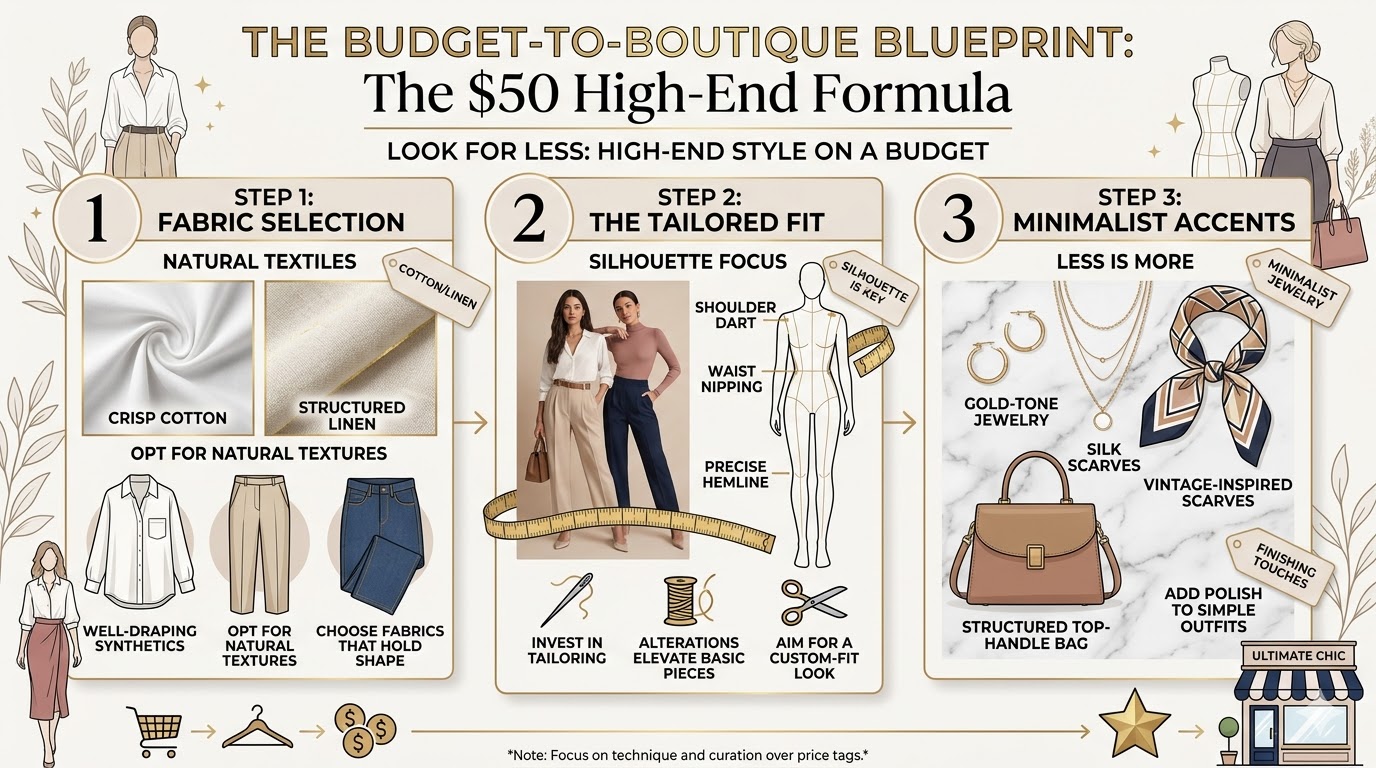
Achieving a high-end fashion aesthetic no longer requires a luxury budget. As the 2026 fashion landscape shifts toward “Quiet Luxury” and “Vintage Revival,” savvy shoppers are proving that a $50 budget is more than enough to create a sophisticated, runway-ready ensemble. This article explores professional styling techniques that elevate affordable pieces, from mastering the art of monochrome and intentional tailoring to selecting high-quality fabrics like crisp cotton and linen. By focusing on structural elements such as balloon trousers, romantic broderie blouses, and vintage-inspired accessories, fashion enthusiasts can bypass the high markups of designer labels. We examine how to leverage modern shopping strategies, including digital mood boarding and thrift-flipping, to build a versatile wardrobe that prioritizes silhouette and grooming over price tags. Learn the essential steps to curating a polished, expensive-looking wardrobe without exceeding a $50 limit.
The fashion industry in 2026 has entered a “post-logo” era where personal style and garment structure take precedence over brand names. For the modern woman, the challenge is no longer about finding the most expensive item, but rather about executing a high-end aesthetic on a budget. It is entirely possible to curate a complete, sophisticated look for under $50 by focusing on three core pillars: fabric integrity, intentional tailoring, and strategic accessorizing.
The Foundation of an Expensive Aesthetic
The secret to a “luxe” look lies in the choice of materials. Synthetic fibers with an artificial sheen often signal a lower price point, whereas natural-looking textures communicate quality.
- Opt for Structured Fabrics: Look for heavy-weight cotton, linen blends, and “brut” (raw) denim. These materials hold their shape, providing a crisp silhouette that mimics high-end tailoring.
- Avoid Excessively Stretchy Materials: Overly elastic fabrics tend to lose their form quickly. Instead, seek out pieces with a higher percentage of natural fibers to ensure longevity and a better drape.
Mastering the $50 Wardrobe Strategy
To stay under the $50 limit while appearing “expensive,” one must move away from impulse buying and toward intentional curation.
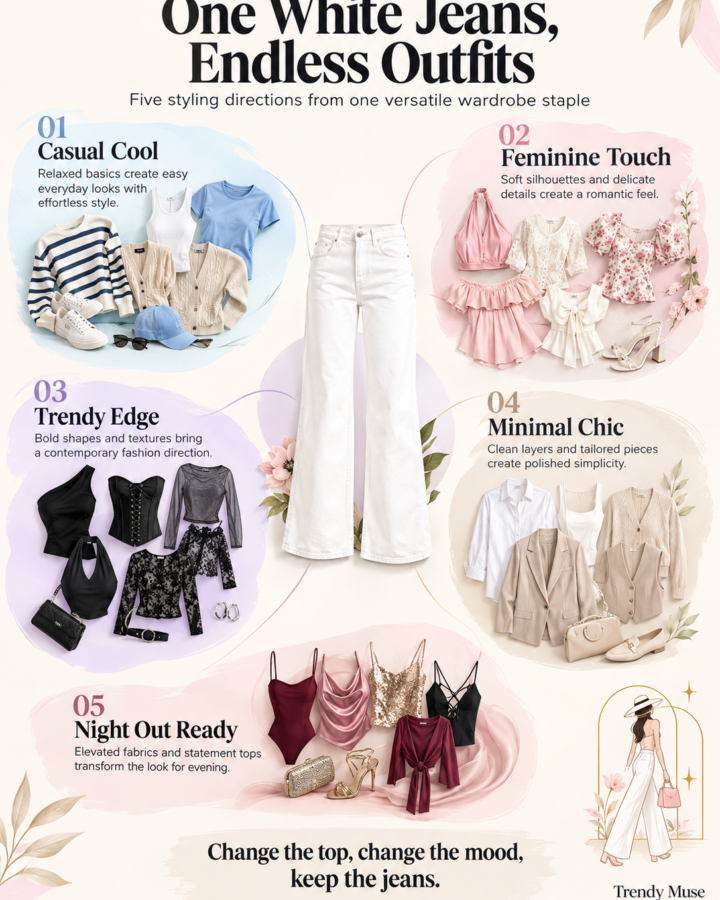
- The Power of Monochrome: Dressing in a single tonal family—such as creamy whites, charcoal grays, or deep navies—instantly elongates the frame and creates a cohesive, polished appearance. A head-to-toe “Soft White” look is a leading trend for the Spring 2026 season.
- Investment in Tailoring: A $15 thrift-store find can look like a $500 designer piece with a $20 trip to the tailor. Hemming trousers to the correct length or nipping in the waist of a blazer provides a custom fit that “off-the-rack” items rarely offer.
- The “Third Piece” Rule: Elevate a basic outfit (like a white tee and jeans) by adding a structured third piece, such as a lightweight trench coat or a cropped pointelle cardigan.
Trending Elements for 2026
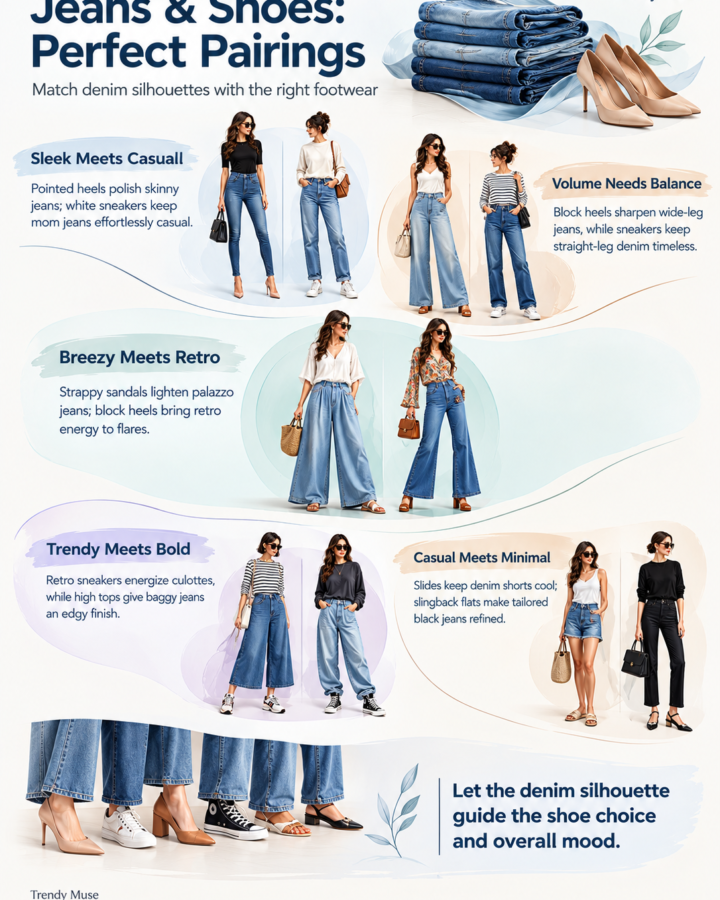
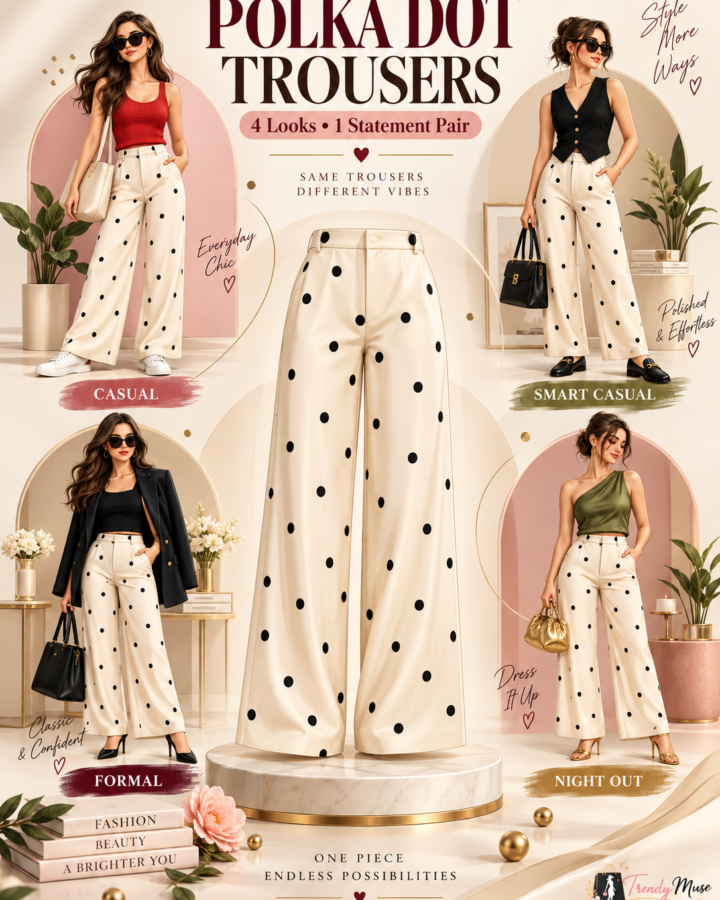
Incorporating specific 2026 trends can make a budget outfit feel current and high-fashion. Balloon trousers and bubble-hem skirts are currently dominating the runways, offering a playful yet refined volume. Pairing these voluminous bottoms with a fitted, square-neck tank top creates a balanced, intentional proportion.
Furthermore, vintage-style accessories are a cost-effective way to add character. A simple satin scarf tied as a belt or around the handle of a structured bag provides a “Parisian chic” touch for under $10.
Grooming and Maintenance
No outfit, regardless of price, looks high-end if it is poorly maintained.
- Steam, Don’t Iron: A portable steamer (available for roughly $20) is an essential tool for removing wrinkles that make clothes look “cheap.”
- Grooming as a Style Factor: Radiant skin, neat nails, and polished shoes are the final “accessories” that complete a luxury look. When the wearer looks put-together, the clothing follows suit.
By applying these objective styling principles, a high-fashion wardrobe becomes accessible to everyone, proving that elegance is a matter of technique, not just capital.