The Evolution of Women’s Activewear: Performance Meets Aesthetic
The modern fitness landscape has shifted from basic cotton t-shirts to highly engineered performance apparel. For the contemporary female athlete, the right outfit is not merely a fashion statement but a critical tool for performance optimization. High-performance workout outfits are now designed with specific biomechanical movements in mind, utilizing advanced textile engineering to manage moisture, regulate temperature, and provide targeted compression.
1. High-Performance Bottoms: The Science of Compression and Comfort
The foundation of any gym outfit is a reliable pair of leggings or shorts. When selecting bottoms, three factors are paramount: opacity, compression, and moisture management.
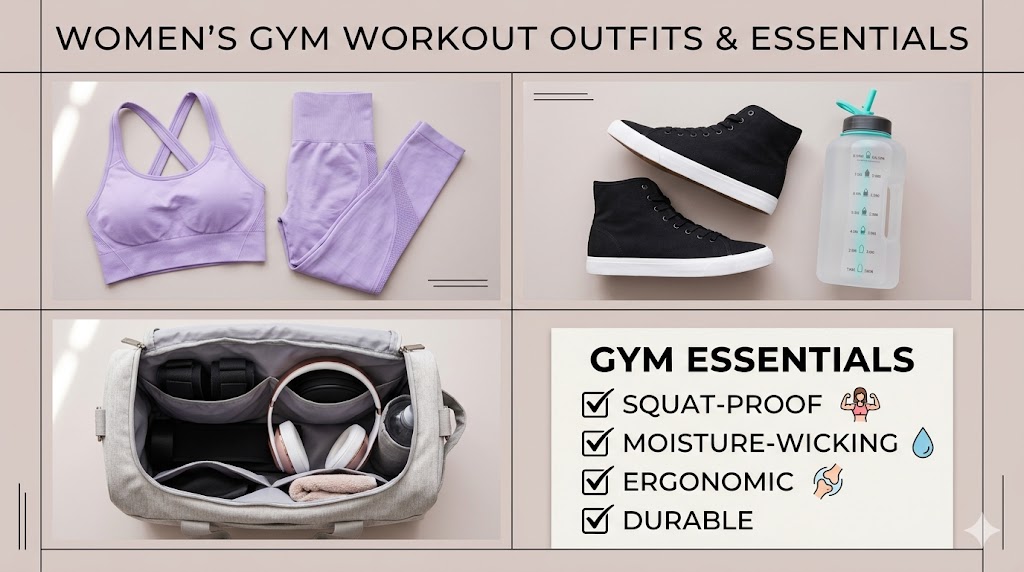
- Squat-Proof Technology: Premium leggings utilize high-density knit structures to ensure total opacity during deep squats and lunges.
- High-Waisted Compression: A wide, compressive waistband provides core support and ensures the garment stays in place during high-impact movements.
- Seamless Construction: Seamless technology reduces friction and chafing, making it ideal for long-duration workouts and sensitive skin.
- Biker Shorts: For warmer climates or intense cardio sessions, high-rise biker shorts offer the same compression benefits as leggings with increased breathability.
2. Supportive Sports Bras: Engineering Stability
A sports bra is arguably the most functional piece of equipment for a female athlete. Support levels should be categorized based on the intensity of the activity:
- High Impact: Essential for running and HIIT, these bras often feature molded cups and adjustable straps to minimize vertical and lateral movement.
- Medium Impact: Designed for weightlifting and circuit training, offering a balance between compression and comfort.
- Low Impact: Optimized for yoga, pilates, or walking, focusing on flexibility and soft-touch fabrics like brushed nylon.
3. Technical Tops and Layering
The “pump cover” culture has popularized oversized tees, but technical tops remain essential for performance.
- Cropped Seamless Long Sleeves: These provide warmth during warm-ups while allowing for a full range of motion.
- Moisture-Wicking Tanks: Utilizing silver-ion technology or laser-cut ventilation, these tops accelerate sweat evaporation, keeping the body cool.
- Oversized Cotton Hoodies: Crucial for maintaining muscle temperature during rest periods or post-workout transitions.
4. Footwear: The Foundation of Force Production
Footwear must be chosen based on the specific modality of training:
- Weightlifting Shoes: Flat-soled shoes (like Vans or dedicated lifters) maximize force production by providing a stable base and better ground contact.
- Cross-Trainers: Versatile shoes with lateral support, ideal for functional fitness and classes.
- Running Shoes: Engineered with foam cushioning and energy-return technology for cardiovascular endurance.
5. Essential Gym Accessories and Hardware
To complement the outfit, certain essentials are non-negotiable for a professional gym setup:
- Hydration Systems: Double-walled vacuum-insulated stainless steel bottles (32oz to 40oz) are the industry standard for maintaining water temperature.
- Lifting Straps and Belts: For those engaging in progressive overload, nylon or leather lifting belts provide intra-abdominal pressure support.
- The Aesthetic Gym Bag: A dedicated compartment for shoes (shoe garage), wet pockets for sweaty gear, and padded laptop sleeves make modern gym bags multi-functional for the work-life-gym balance.
- Microfiber Towels: Essential for hygiene and equipment maintenance.
6. The “Clean Girl” Gym Aesthetic: Color Palettes and Coordination
Current trends favor monochromatic sets and neutral tones—think Matcha Green, Espresso, Slate Grey, and Midnight Blue. Coordinating sets create a streamlined look that boosts confidence and psychological readiness for training.
7. Maintenance and Longevity of Activewear
To preserve the elasticity and moisture-wicking properties of high-end activewear, it is recommended to wash gear in cold water, avoid fabric softeners (which clog technical pores), and air dry whenever possible.